


Can You Use a Half Wall Instead of a Stair Railing?
Updated: Jan 19
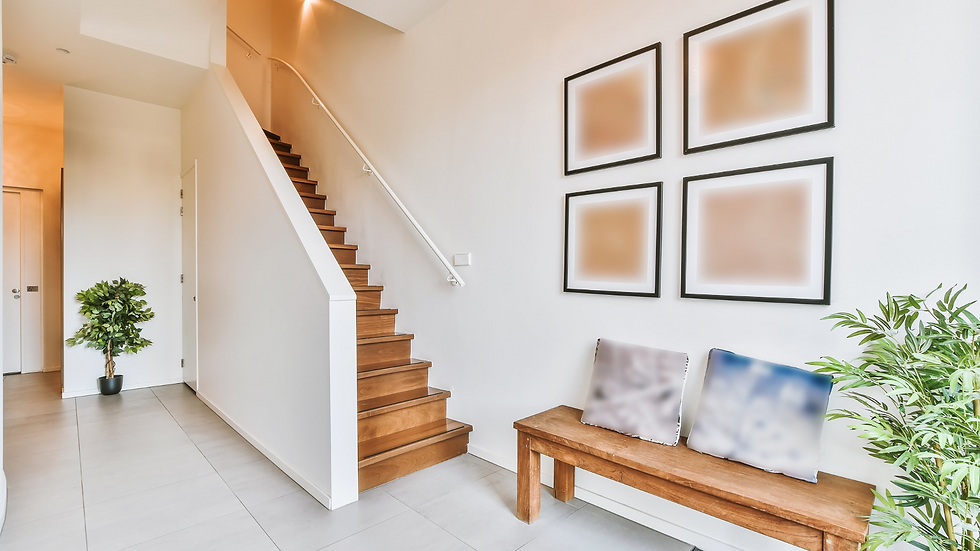
Half walls (sometimes called pony walls) are a popular alternative to traditional railings, but are they actually safe—and allowed by code? The short answer: yes, you can use a half wall instead of a stair railing, but only if it meets specific height and structural requirements. Building codes are strict about how high and how sturdy these walls need to be, so before swapping your railing for a solid wall, here’s what you need to know.
What Code Says About Half Walls vs Railings
Minimum Railing Height & Why It Matters
Whether you choose a railing or a half wall, height is the first thing inspectors look at. Standard residential stair railings need to be 34–38 inches high from the stair nosing, while guards on landings or open sides must be at least 36 inches tall (The Spruce).
If you’re replacing a railing with a half wall, it has to meet these same height rules. Some local codes even require 42 inches for added safety, especially in multi-family homes (Contractor Talk).

When a Half Wall Counts as a Railing
A half wall only “counts” as a railing if it meets the same standards a traditional guardrail would—and that’s where a lot of homeowners get tripped up. Building inspectors don’t care whether you pick a wall or a railing; they care whether it’s tall and strong enough to prevent falls.
Here’s what it takes for a half wall to pass inspection:
Proper height – The wall needs to be at least 36 inches tall on open stair sides or landings. Some areas—especially those following stricter versions of the International Residential Code (IRC)—require 42 inches for extra safety, particularly in multi-family homes or high-traffic spaces. Anything shorter than that is automatically non-compliant, no matter how sturdy it feels. (IRC Reference – The Spruce’s Breakdown)
Structural strength – A half wall has to handle a 200-pound lateral load, which is the same requirement as a standard guard or railing. That means it should be securely tied into the floor and wall framing—not just nailed to the subfloor or resting on drywall. A wobbly pony wall is one of the fastest ways to fail inspection. (This Old House)
Continuous protection – The wall should run the full length of any open edge without gaps, just like a railing with properly spaced balusters.
If your wall doesn’t meet all three requirements, it’s not just a code violation—it’s a safety hazard. A short, loosely built pony wall might look sleek, but in the event of a fall, it won’t stop anyone from tumbling over the edge.
For peace of mind, many homeowners still add a handrail on top of a half wall, even if it meets height and load requirements. It’s not always required, but it can make stairs feel safer—especially for kids, older adults, or anyone who prefers something to grip while going up and down.

Are Half Walls Safe for Stairs? Pros & Cons
Half walls can absolutely be a safe and stylish alternative to railings—if they’re built to code and used in the right setting. But just because they’re allowed doesn’t mean they’re always the best option. Let’s look at the upsides and the risks so you can make an informed choice.
Pros of Half Walls
One of the biggest reasons homeowners love half walls is their solid, continuous protection. Unlike a railing with open balusters, there’s zero chance of a child squeezing through or a pet slipping between spindles. Families with toddlers or energetic dogs often find this extra layer of safety reassuring.
They’re also incredibly durable. A properly constructed half wall has no balusters to loosen and no handrail brackets to tighten—it’s essentially an extension of your home’s framing, which means fewer long-term maintenance headaches.
From a design perspective, half walls offer a clean, modern look. Painted to match the surrounding walls, they can make a staircase feel sleek and intentional. Some homeowners even top them with wood caps or decorative ledges, turning them into a subtle display space for framed photos or plants. And as a bonus, they can help buffer noise between floors—something open railings can’t do.
Safety Concerns to Watch For
While half walls are sturdy, they’re not perfect for every home. The biggest drawback? They aren’t graspable. A traditional handrail gives you something to hold onto when climbing stairs, which is especially important for kids, older adults, or anyone who needs extra balance support.
Improper construction is another issue. If the wall isn’t securely anchored into the floor and wall framing, it can shift over time—and that’s a huge safety risk. A wobbly pony wall is just as dangerous as a loose railing. If you notice movement, squeaks, or cracks, get it inspected right away (see Top 5 Warning Signs Your Stairs Need Immediate Repair).
Finally, think about how you want your space to feel. Half walls can block sightlines, making a staircase feel heavier or more closed-in. And in narrow or steep staircases, a traditional railing is usually safer because it provides continuous grip support where balance matters most.

Best Railings for Maximum Safety
Even if a half wall meets code, sometimes a traditional railing is the safer—and smarter—choice, especially in homes with elderly residents or anyone who needs extra support on the stairs.
The safest options are railings with a continuous handrail that’s easy to grip from top to bottom. Metal or wood railings with smooth, rounded profiles give better control than flat, decorative rails, and they’re easier for kids and seniors to hold onto.
Another key safety feature is baluster spacing. Railings with closely spaced balusters (4 inches or less apart) prevent kids or pets from slipping through, while still keeping the staircase open and airy. Wood posts paired with strong metal balusters are a popular choice because they combine durability with a modern look.
If your home has older adults, check out The Best Indoor Railings for Homes with Elderly Residents for more details on what to look for. Handrails designed for balance support can make a huge difference in safety—and they can look great when done right.
Half Wall or Railing? What’s Best for Your Stairs
So, which one wins—half wall or railing? The answer depends on your home, your family, and how you use the stairs.
If you want a solid, low-maintenance barrier and don’t mind a slightly enclosed look, a half wall can be a great choice—as long as it’s built to code and properly secured. It’s especially practical for families with young kids or pets because there are no gaps to worry about.
But if you have older adults, narrow or steep stairs, or simply prefer a more open feel, a railing is usually the better option. The ability to grip a handrail for balance can be a game changer for safety, and with today’s wood-and-metal combinations, railings can look just as sleek as any half wall.
The Bottom Line
Both options can be safe and stylish when done right, but cutting corners on installation is never worth it. Whether you’re replacing a railing with a half wall or upgrading to a sturdier handrail, make sure the work meets local building codes.
If you’re unsure what’s best for your space, talk to a professional railing installer. They can help you figure out what works for your layout, meets safety requirements, and fits your style.


Comments