


High-End Stair Railing Ideas: Affordable Upgrades That Make a Big Impact
Updated: Dec 4, 2025

Ever feel like your home’s almost there—but something’s still missing? Nine times out of ten, it’s the stair railing. A basic, builder-grade railing can drag down your whole interior, while the right design instantly makes the space feel polished, modern, and high-end.
The good news? You don’t need a massive remodel to make that happen. Whether you live in a classic Cape Cod in Middlesex County or a coastal home near Monmouth, there are smart, affordable ways to upgrade your indoor stair railings without tearing everything out.
In this guide, we’ll show you how to turn a boring staircase into a design moment—with ideas that blend style, safety, and value. From simple refinishing tricks to materials that scream custom-built, these tips will help you get that high-end look without blowing your budget.

Wood, Metal, or Both? Know Your Railing Before You Upgrade
Before you jump into upgrades, take a moment to figure out what kind of railing you’re working with. The material—wood, metal, or a mix of both—not only shapes the look of your stairs, but also determines what kind of upgrades make the most sense. A smart upgrade works with your existing railing, not against it.
All Wood Railings
Warm, timeless, and incredibly versatile. If your home has older wooden railings
(very common in Bergen County colonials and builder-grade homes across New Jersey), you’ve got options:
Stain it darker for a richer, more elegant look
Paint it white, black, or charcoal for a clean, modern vibe
Swap out basic wooden balusters for something more decorative—think square craftsman-style or even wrought iron for contrast
Not sure if painting or staining is better long term? Check out our post: Is It Better to Paint or Stain Stair Railings?
Metal Railings
Sleek and minimal with high-end potential. Metal railings are popular in newer NJ homes, especially in modern remodels or split-levels. But if they look too basic or builder-grade, try:
Repainting with matte black, oil-rubbed bronze, or even brushed gold
Swapping out plain balusters for twist, basket, or knuckle-style designs for added texture
Pro tip: Intricate metal balusters can be found at places like House of Forgings or StairPartsUSA.
Wood + Metal Railing Combos
This mix offers the best of both worlds: the warmth of wood and the clean lines of metal. If you already have this setup:
Consider upgrading the handrail to a sleeker profile, like a red oak T-rail
Refinish or repaint the wood for contrast
Upgrade to horizontal bar balusters for a modern, coastal feel (popular in areas like Ocean County and along the Jersey Shore)
Need inspiration? Explore these budget-friendly ways to refresh your home’s indoor railings for smart upgrades that work beautifully with wood, metal, or mixed materials.

Before You Upgrade: Check If Your Railing Is Safe and Sound
We know—you’re here for the transformation. But before we talk luxury finishes and stylish upgrades, let’s make sure your stair railing is actually safe. A loose or unstable railing doesn’t just kill the look—it’s a serious safety risk, especially if you’ve got kids, pets, or older adults at home.
You can’t make something look high-end if it’s wobbling every time you touch it. So here’s a quick integrity check to do first:
Quick Safety Checklist
Grab the handrail and give it a firm shake. Does it move more than it should?
Check each baluster or spindle. Are they tightly attached, or do a few wiggle when touched?
Inspect the base connections. Any gaps where the handrail meets the newel post, floor, or tread?
Look at the fasteners. Are the screws, nails, or brackets tight? Any visible rust, cracks, or loose hardware?
If you spot any weak areas, this is your sign to pause and fix those first—tighten loose hardware, add reinforcement, or replace damaged parts. For anything beyond a simple DIY fix, reach out to a local stair railing installation company who knows New Jersey code and can make sure your structure is up to par before you move forward with cosmetic upgrades.
Not sure whether to repair or replace? This guide might help When to Repair vs. Replace Your Indoor Railings

Refinishing Techniques That Deliver a High-End Look
Sometimes the most dramatic transformations start with the smallest changes. If your stair railing looks outdated, scuffed, or just plain dull, a professional refinishing job can give it a brand-new feel—without tearing anything out. With the right materials and techniques, even an old wood or metal railing can look sleek, modern, and custom-built.
This is especially worth considering for older New Jersey homes where the original railing structure is solid but visually tired. Whether you're in a historic colonial or a builder-grade split-level, the right finish can take your stairs from functional to showpiece.
Sanding and Repainting: Small Effort, Big Impact
Repainting or re-staining your railing is one of the easiest ways to give it a luxury-level upgrade on a budget. But not all finishes are created equal—how you prep and apply the finish matters just as much as the color.
Choosing the Right Finish for your Railings
Wood railings: Deep stains like espresso or dark walnut create a warm, elevated look. Lighter natural stains (like white oak or ash) feel modern and clean—especially popular in coastal or Scandinavian-inspired interiors.
Painted finishes: Matte black, soft white, or charcoal gray can give your railing a high-contrast designer feel. These colors pair especially well with metal balusters or darker flooring.
Metal railings: For a clean, factory-quality finish, use a high-durability enamel paint in a satin or oil-rubbed bronze tone. Brands like Rust-Oleum Professional offer coatings that mimic powder-coated finishes at a fraction of the cost.
Pro Tips for a Smooth, Durable Result
Sand everything first. Skipping prep is the #1 reason DIY paint jobs peel or chip. Start with 120-grit and finish with 220-grit sandpaper for wood; scuff metal surfaces lightly before painting.
Use quality tools. A paintbrush works for stain, but for a perfectly smooth painted look, consider renting or borrowing a paint sprayer.
Apply in layers. One thick coat will almost always look streaky. Thin, even coats—plus proper drying time between each—result in a smoother, more professional appearance.
Don’t skip the topcoat. A water- or oil-based polyurethane (for stained wood) or clear enamel (for painted metal) adds crucial protection from hand oils, dings, and scratches.
Done right, refinishing doesn’t just refresh your railing—it elevates the entire entryway. It’s the kind of upgrade buyers notice, guests compliment, and you get to enjoy every time you walk through the front door.

Baluster Swaps: The Easiest Way to Transform Your Staircase
If you’re looking for a big visual upgrade without tearing everything out, swapping your balusters is one of the smartest moves you can make. These vertical supports might seem small, but they’re one of the first things people notice when they walk into your home.
Upgrading them instantly changes the tone of your staircase—from dated and generic to stylish and custom. And the best part? You can usually keep your existing handrail and newel posts, making it a fast, affordable project with serious impact.
Why It Works
A lot of older New Jersey homes—especially those built in the '80s and '90s—still have narrow, round wood balusters. They're safe, sure, but they can make the whole staircase feel tired. Here’s how a simple swap can make your space feel brand new:
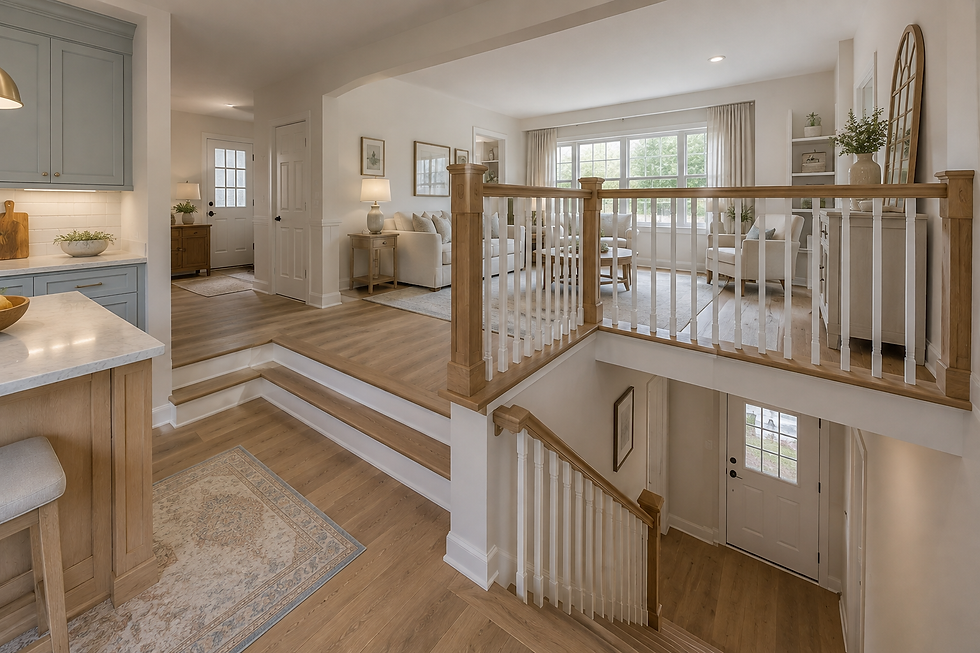
Square wood balusters create a clean, transitional look that works in both modern and traditional interiors.
Wrought iron or steel balusters add contrast and luxury, especially when finished in matte black or oil-rubbed bronze.
Decorative styles—like twists, baskets, or knuckles—instantly make the staircase feel customized.
Baluster swaps are especially popular in homes with open floor plans where the stairs are visible from the entryway or living room. It’s one of the easiest ways to add architectural interest without knocking down walls or spending thousands.
What to Know Before You Upgrade
Match your home’s aesthetic. Go with slim, straight metal balusters for a modern look or more ornate shapes for traditional spaces.
Mix it up. Alternating plain and decorative balusters adds personality without overwhelming the design.
Check your spacing. By code, balusters should be no more than 4 inches apart—important for both safety and resale. You can verify this through the International Residential Code (IRC) or your local building department.
Refinish to coordinate. If you’re replacing wood spindles with metal, consider staining or painting the handrail to create a cohesive, high-end finish.

Small Details, Big Difference: Decorative Touches That Elevate Your Stair Railing
If your stair railing feels underwhelming, you don’t have to gut the whole system to make it shine. Often, it’s the small, thoughtful details that separate a standard staircase from one that feels custom-built. By upgrading key elements like newel posts, handrails, and brackets, you can transform your railing into a statement piece—without a full-scale remodel.
This is especially effective in homes where the bones are good but the finishes feel dated. Think of it like trimming out a door or adding crown molding—you're taking something basic and giving it architectural weight.
Where to Start: High-Impact Details That Matter
Newel Posts: The newel post is the anchor of your staircase—if it’s thin, plain, or too short, the whole system can feel flimsy or unfinished. Swapping in a chunkier post with squared-off edges or decorative trim immediately creates visual weight. Not ready to replace it? You can still upgrade:
Stain or paint it in a bold tone like espresso or matte black
Add trim or panel molding around the base
Top it with a decorative finial or cap to mimic custom millwork
Handrail Profiles: A flat, featureless handrail makes even the nicest balusters feel cheap. Upgrading to a thicker or sculpted profile can elevate the entire system. A red oak T-rail, for example, adds instant polish and is a favorite in modern farmhouse and transitional designs.
You can also:
Stain a light wood handrail in dark walnut for contrast
Paint it a bold tone to match metal balusters
Add subtle detailing underneath with a shadow line or trim piece
Brackets and Trim Work: If your railing feels a little too plain, these are the quiet details that elevate it:
Add wrought iron or brushed metal brackets under the handrail
Install trim at the base of the newel posts or along the stringer for visual structure
Use millwork that matches your baseboards or door casings to tie it into the rest of your home
Need a visual? Sites like StairSupplies and ArchitecturalDepot offer a wide range of finishing details—from post caps to decorative brackets—that give your stairs a more finished look without a huge price tag.
Keep It Clean, Cohesive, and Intentional
Decorative elements work best when they’re restrained and well-integrated. Here’s how to keep your upgrades feeling refined—not cluttered:
Choose quality materials—avoid thin metal or plastic details that wear quickly
Match the tone of your space: clean lines for modern homes, gentle curves and detailing for traditional or historic interiors
Don't do too much—focus on two or three upgrades that complement each other and leave the rest alone
Small upgrades like these prove you don’t need to rebuild your stairs to make them feel luxurious. With a few smart changes, you can turn a forgettable railing into something that catches the eye and holds it.

Lighting Integration: How Subtle LEDs Can Instantly Upgrade Your Railing
One of the most overlooked—but most impactful—stair upgrades is lighting. The right lighting turns your stair railing into a feature, not just a fixture. It softens shadows, adds architectural depth, and makes your home feel more polished—especially at night.
Best of all? You don’t need to call in an electrician or rewire your staircase to make it happen. With today’s low-profile LED technology, there are easy, low-voltage options that look high-end and fit right into most railing systems.
Where to Add Lighting for Maximum Effect
Under-the-Handrail LED Strips: Slim LED strip lights tucked beneath the handrail create a soft, downward glow that highlights the railing without harsh shadows. This subtle detail adds warmth and sophistication, especially in staircases with darker finishes or narrow hallways.
For the cleanest look, use adhesive-backed strips with an aluminum diffuser channel. It not only makes the light more even—it protects the strip from dust and wear.
Recessed Stair Tread Lighting: Want to go a step further? Installing small recessed LEDs into the vertical riser or just above each tread can make your stairs appear to float. While this takes more planning and may require cutting into drywall or trim, the result is a sleek, custom look that’s common in high-end renovations.
Helpful Tip: Look for UL-listed or ETL-certified fixtures that are safe for use on stairs and rated for long-term durability. Diode LED is a trusted brand used in many pro installations.
Choosing the Right Light Color
The color temperature of your lighting completely changes how the space feels:
Warm white (2700K–3000K): Best for cozy, traditional interiors—adds softness and a welcoming feel
Neutral white (3500K–4000K): Clean and modern, perfect for transitional or contemporary homes
Cool white or daylight (5000K+): Bright and crisp, though it can feel harsh unless your space is very modern
Motion and Dimming Options
Want that designer touch? Try motion-activated LED strips that light up as someone approaches the stairs—great for nighttime safety and an impressive visual. Dimmable fixtures also let you adjust the brightness to match the mood, whether you're hosting guests or just walking up to bed.
Lighting is one of those upgrades that looks expensive, feels intentional, and actually adds safety to your space. And when done right, it’s the kind of detail that makes guests stop and ask, “Who did your stairs?”

Decorative Finishes: How Color and Texture Make a Railing Look Custom
Sometimes, it’s not the design itself—it’s the finish that makes all the difference. Color and texture can transform even a simple stair railing into something that feels custom-built and intentional. Gone are the days of shiny orange oak or builder-grade gloss. Today’s high-end railings lean into soft, low-sheen finishes with rich texture and contrast.
Whether you're working with wood, metal, or a mix of both, choosing the right finish is one of the fastest ways to give your staircase that elevated look—no demo required.
Popular Finishes That Scream “Custom”
Matte Black: A favorite in modern and transitional interiors, matte black is bold but timeless. It adds clean contrast against lighter walls or flooring, and it works just as well on wood handrails as it does on metal balusters. You’ll see this finish in everything from new builds in Hoboken to remodeled colonials in Somerset County.
Brushed Nickel or Soft Gold: Looking for something a little less stark? Brushed nickel or muted gold tones offer a warmer, softer alternative. These finishes are especially popular in homes with mixed metal accents—think champagne brass kitchen fixtures or nickel hardware. They add quiet sophistication without stealing the show.
Oil-Rubbed Bronze: Rich and warm, this finish is perfect for traditional, farmhouse, or rustic-style homes. It plays beautifully with deep-stained woods and textured walls, creating a lived-in elegance that feels both grounded and upscale.
Two-Tone Finishes: For added depth, try combining materials: pair a dark-stained wood handrail with crisp white balusters, or mix black steel balusters with a warm oak top rail. These subtle contrasts add a custom-built feel that works in nearly any home style.
Application Tips for a Long-Lasting Finish
For metal: Use a high-quality enamel spray or consider a powder-coated finish for maximum durability. If you’re redoing existing parts, clean thoroughly and use a primer designed for metal.
For wood: Choose a satin or matte polyurethane stain that highlights the grain without adding gloss. Avoid high-shine finishes—they tend to look dated and wear poorly in high-traffic areas.
In busy households: Always apply a protective topcoat. Whether it's polyurethane for wood or a clear enamel for painted metal, this layer will guard against scuffs, scratches, and hand oils—especially important for railings near entryways or main hallways.
A strong finish isn’t just about looks—it’s a smart way to protect your investment and stretch the life of your upgrade. When done well, it becomes part of the architecture of the home, not just an afterthought.

Maintenance for Sustained Elegance
A stair railing that looks high-end on day one should still look that way years later. The key? Consistent care. Just like hardwood floors or natural stone countertops, railings benefit from simple, routine maintenance that protects the finish, preserves the material, and keeps everything looking intentional—not tired.
Regular upkeep not only extends the life of your upgrades—it protects your investment and helps your home maintain its overall polished look.
How to Keep Your Railing Looking Its Best
Wood Railings: Dust weekly with a soft microfiber cloth to prevent buildup. Every few weeks, clean with a gentle wood-safe cleaner—like one formulated for furniture—not a harsh all-purpose spray. Avoid excessive moisture, which can dull the finish or cause warping, especially in humid or poorly ventilated areas like basements.
Metal Railings: For painted or powder-coated metal, a simple wipe with a damp cloth and mild soap is all you need. Avoid anything abrasive (like scrubbing pads or harsh degreasers) which can wear down the finish over time. Focus on high-touch areas, especially near landings or entryways.
Painted Finishes: Gently clean with a non-abrasive cleaner. If you notice scuff marks or small chips—common in high-traffic homes—it’s worth touching them up with a matching paint. Keep a small bottle on hand for quick fixes that prevent larger touch-ups down the line.
Topcoats and Sealants: If your railing was refinished with a protective topcoat (polyurethane, enamel, or similar), reapply every 2–3 years, or sooner if the railing sees heavy use. This step can dramatically extend the lifespan of your upgrade, especially in homes with kids, pets, or lots of foot traffic.
—
Just like any design feature, a high-end railing looks best when it's cared for. A few minutes a month can preserve that luxury look—and avoid costly fixes later. With the right upkeep, your staircase won’t just stay beautiful—it’ll continue adding value, safety, and style to your home for years to come.

Periodic Inspections: Catch Small Problems Before They Grow
A beautiful railing should feel just as solid as it looks. No matter how polished the finish or stylish the design, if it wobbles, creaks, or shifts under pressure, it instantly undermines the entire effect.
Routine inspections are a small habit that can save you from major repairs later. Especially in homes with kids, pets, or heavy foot traffic, wear and tear happens fast—but it's often fixable before it turns into a full replacement job.
Here’s what to look for every few months:
Test for movement. Grab the handrail and balusters and give them a firm shake. Even slight wiggle means it’s time to tighten screws or reinforce joints.
Check for finish wear. Chipped paint, scuffed stain, or fading on high-touch areas can be touched up easily if caught early.
Inspect fasteners. Look at brackets, mounting hardware, and glue joints. If they’re loose, rusted, or pulling away from the wall or newel post, they need to be secured.
Regular check-ins don’t take much time, but they make a big difference in keeping your railing both beautiful and structurally sound.
Bringing It All Together: Small Changes, Big Impact
Upgrading your stair railing doesn’t have to mean starting from scratch. With the right combination of design updates, finishing touches, and thoughtful maintenance, you can transform an ordinary railing into one of the most visually striking features in your home.
Whether you’ve added bold lighting, swapped out dated balusters, upgraded your finish, or refinished the handrail in a deep, elegant stain—these small changes work together to deliver a custom, high-end look that feels intentional, not overdone.
And beyond the visual appeal, these upgrades also deliver practical benefits: added safety, longer-lasting durability, and higher resale value. It’s the kind of project that makes your home feel elevated every time you walk through the front door.
Ready to take the next step? Whether you’re dreaming of a fresh baluster design, a new handrail profile, or full indoor railing installation, Up Stairs Rails is here to help. Explore our services or contact us today to bring your staircase vision to life—right here in New Jersey.


Comments