


Should Your Stair Railing Match Your Floors? A New Jersey Design Guide
Updated: 2 days ago
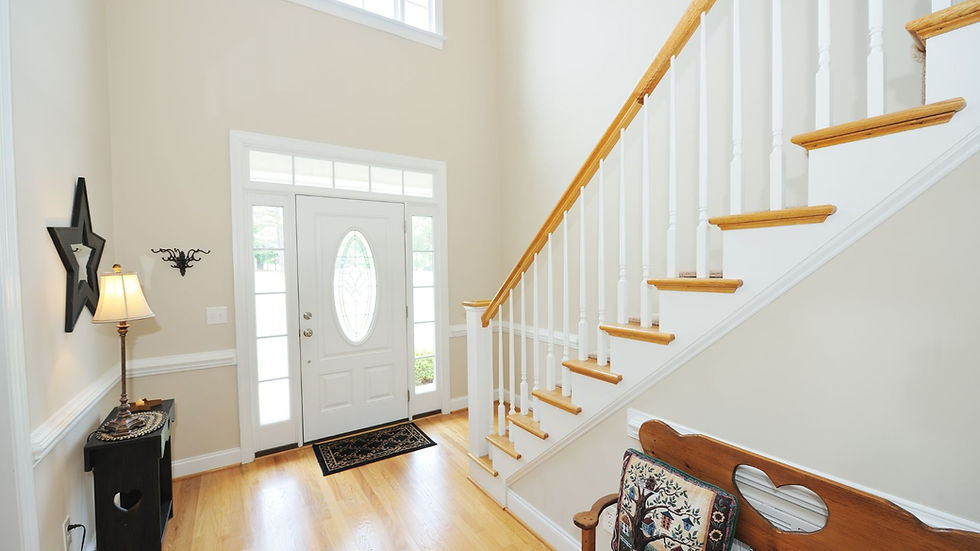
Should Your Stair Railing Match Your Floors?
It’s one of the most common questions homeowners ask during a renovation, especially when new hardwood, tile, or luxury vinyl plank is part of the project.
The answer? Not always.
Your stair railing and flooring don’t need to match exactly. What matters is how the tone, material, and style work together so the space feels cohesive rather than disconnected.
This comes up often in New Jersey homes where flooring and railings are updated at different times. New floors may go in while an older railing stays, or a railing may be replaced years after the flooring was installed.
In this guide, we’ll look at when matching makes sense, when contrast works better, and what to consider if you’re planning professional stair railing installation alongside new or existing flooring.
Understanding the Basics: Why Flooring and Railings Should Work Together
Before choosing stains, materials, or finishes, it helps to understand what you’re really trying to achieve.
Matching your stair railing to your flooring isn’t about making them identical. It’s about creating visual consistency. When railings and floors compete with each other — in tone, scale, or material — the disconnect becomes noticeable. Even if both elements are high quality, the space can feel unfinished.
In many New Jersey homes, staircases are a central architectural feature. Whether it’s an open foyer with hardwood floors or a more compact layout with luxury vinyl plank, the railing is often one of the first things people see when they enter. Because of that, it naturally draws the eye — and it needs to relate to the surrounding flooring in a way that feels intentional.
Cohesion between flooring and stair railings helps:
Create visual flow from room to room
Prevent abrupt color or material transitions
Make open-concept spaces feel unified
Support long-term resale appeal
When materials complement each other — even through contrast — the entire home feels more thoughtfully designed.
If you're considering blending materials, our guide on mixing wood and metal railings the right way explains how to create contrast without creating visual conflict.
In hardwood homes especially, undertones and wood species matter more than homeowners initially realize.
The National Wood Flooring Association offers detailed guidance on how wood species and finishes influence color variation and long-term appearance — something worth understanding before selecting a railing stain to “match” your floors.

Key Factors to Consider When Matching Railings and Flooring
Once you understand the goal — cohesion without forced uniformity — the next step is evaluating the specific elements that influence how well your stair railing works with your flooring.
Color
Color is usually the first thing homeowners focus on, but tone matters more than exact shade.
Matching tones can create a seamless, grounded look. Dark hardwood floors paired with a similarly stained railing often feel classic and cohesive. Light oak or natural maple floors paired with lighter handrails can make a space feel open and airy.
Contrasting tones, on the other hand, create definition. A black metal railing against light hardwood floors can feel modern and architectural. A lighter stained railing against darker flooring can highlight the staircase as a feature rather than letting it blend in.
The key is intentional contrast — not accidental mismatch.
Material
Material choice plays just as much of a role as color.
Wood railings remain the most versatile option. They can be stained to coordinate with hardwood floors or painted to introduce contrast while still maintaining warmth.
Metal railings, particularly in black or brushed finishes, work well in modern and transitional homes. They pair easily with hardwood, tile, or even luxury vinyl plank flooring.
Glass railings offer a contemporary look and are especially effective in open-concept spaces where maintaining visual flow is important.
If you're exploring different material options, our guide provides a helpful overview of how wood, metal, and glass function in different interior styles.
Style
Style alignment often determines whether a railing feels integrated or disconnected.
Traditional homes with detailed trim and classic hardwood floors typically pair best with turned balusters and substantial newel posts. Modern interiors lean toward square profiles, clean lines, and minimalist detailing. Rustic or farmhouse-inspired spaces often benefit from natural wood tones, wrought iron, or textured finishes.
Looking at professionally completed spaces can help clarify direction. Browsing Houzz stair railing design examples can help homeowners visualize how different railing styles coordinate with specific flooring types and architectural settings.
Finish
Once you’ve narrowed down the colors and materials, consider how shiny or understated you want the railing to look.
Your railing and flooring don’t need the same sheen to work together. A satin wood handrail can complement a matte floor, while black metal balusters introduce another finish into the mix. Compare them together to see whether you like the overall effect.
Before settling on a finish:
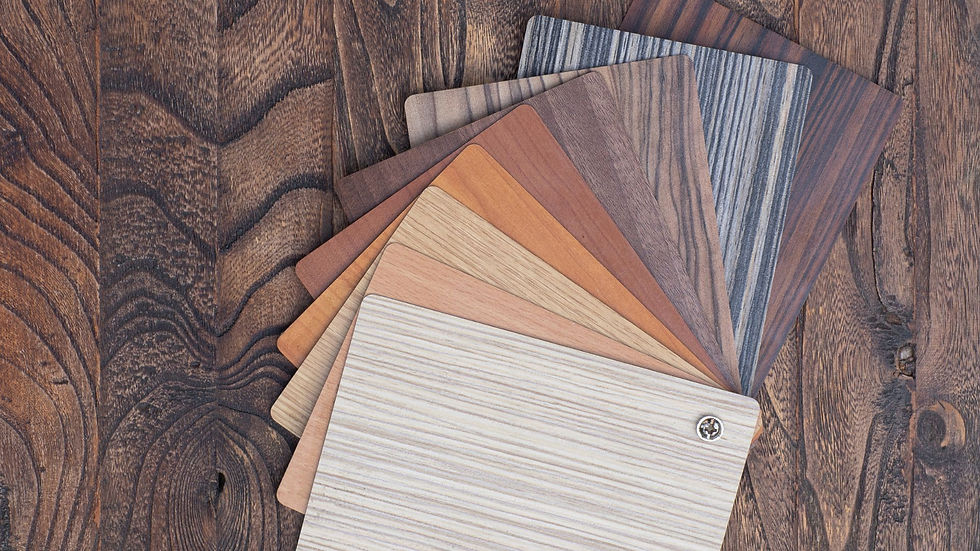
Compare actual samples. Place a sample of the proposed railing finish beside your flooring and stair treads.
Check different lighting. Look at the combination in daylight and with your usual evening lights on.
Look beyond the stain name. Compare the finished wood samples themselves, paying attention to their color and grain.
You’re looking for a combination you enjoy seeing together every day. A little variation can be part of its appeal.

Matching Stair Railings with Hardwood Flooring in NJ Homes
Hardwood floors give you plenty to work with when choosing a railing finish. You might love the warmth of your existing oak floors and want to carry that into the handrail, or prefer a contrasting finish that gives the staircase its own personality.
Start by looking at the floor’s overall color, undertones, and grain. Those details can help you decide whether a similar wood tone or a more noticeable contrast suits your space.
When Matching Wood Tones Makes Sense
In traditional homes or classic layouts, aligning railing stain closely with the hardwood floor often creates a grounded, cohesive look.
Light oak or natural maple floors paired with a railing in a similar tone can make the staircase feel integrated rather than separate. In darker homes — walnut or espresso-stained oak, for example — matching the railing depth can add richness and continuity.
The key is undertone alignment. Two “brown” stains can clash if one leans warm and the other cool. Before committing to a match, stain samples should always be tested directly against the existing floor in natural lighting. Understanding wood species and natural color variation is especially important when working with red oak, white oak, or maple.
When Contrast Works Better
Matching isn’t always the most modern choice.
In many updated NJ homes, especially open-concept renovations, contrast creates definition.
Dark railings — particularly black metal balusters or deep-stained square handrails — paired with light hardwood floors can feel clean and architectural. On the flip side, lighter wood railings against darker floors can soften the visual weight of a staircase.
Contrast works best when it feels deliberate. That means tying the railing color into another element in the space — cabinetry hardware, light fixtures, or window trim — so it doesn’t look isolated.
Installation Considerations Most Homeowners Overlook
Here’s where design advice often stops — but installation reality begins.
If you’re refinishing floors and replacing railings at the same time, sequencing matters.
If you’re updating floors and railings together, have your flooring and railing installers agree on the order of work before the project begins. Discuss when posts will be fitted, when staining or refinishing will happen, and how finished surfaces will be protected. This is also the time to approve a railing stain sample alongside your chosen flooring, so everyone is working toward the same finished look.
In older New Jersey homes, especially those with original red oak floors, exact matching is sometimes less realistic than tonal coordination. Age, UV exposure, and past refinishing cycles all affect wood color over time. Resources explaining how hardwood flooring changes over time can help homeowners understand why perfect stain matching isn’t always possible.
Sometimes the smarter design choice isn’t perfect matching — it’s thoughtful balance.
Style Consistency: Aligning Railing Design with Your Home’s Architecture
Matching stain is only part of the equation. Architectural style often determines whether a railing feels cohesive or out of place.
Traditional Wood Railings and Classic Hardwood Floors
In colonial, craftsman, and traditional New Jersey homes, detailed wood balusters and substantial newel posts typically feel appropriate. When paired with classic hardwood flooring — especially red oak or stained white oak — traditional wood railings create visual continuity.
The goal isn’t ornate detail for its own sake. It’s proportion. Consider the scale of the staircase and surrounding trim when choosing posts and balusters. Substantial wood posts can suit a spacious foyer, while slimmer profiles may feel more comfortable in a compact entryway.
If you’re unsure which railing profile suits your space, reviewing common indoor railing material options can help clarify what aligns with your home’s style.
Modern Railings for Contemporary Hardwood Designs
In updated homes or open-concept renovations, sleeker railing systems tend to perform better visually. Square handrails, simple box newel posts, and black metal balusters often pair well with wide-plank hardwood flooring or lighter stain tones.
Simple flooring leaves room for either a clean-lined railing or a more decorative design, depending on how much attention you want the staircase to draw.
Mixing wood and metal is especially common in modern and transitional homes. The contrast creates definition without overwhelming the flooring.
Material Considerations During Installation
Beyond style, material coordination matters during installation.
Using the Same Wood Species
If you want the closest possible visual match, using the same wood species for both flooring and railing components is often the most consistent approach. Red oak railings with red oak floors, for example, reduce stain unpredictability.
However, even within the same species, grain pattern and age can cause slight variation. Testing stain samples directly against the finished floor is essential before final installation.
Combining Wood and Metal for a More Defined Look
In many modern NJ homes, homeowners intentionally avoid exact matching. Instead, they pair wood treads and floors with metal balusters or darker-stained handrails to create contrast.
This approach works well when:
The staircase is a focal point
The flooring is light and neutral
Other metal elements exist in the space (hardware, lighting, fixtures)
Repeating black metal in nearby lighting or door hardware can help tie the railing into the room. It’s an option for creating continuity, but the railing can also stand on its own as a focal point.

Matching Stair Railings with Tile Flooring
Tile flooring introduces a different design challenge than hardwood. Instead of coordinating grain and stain, you’re balancing texture, pattern, and surface finish.
In many NJ homes, tile is common in entryways, split-level landings, finished basements, and lower-level stair transitions. Because tile can range from bold patterned porcelain to subtle stone-look planks, the railing needs to either anchor the space — or intentionally step back.
Color Coordination with Tile Floors
When tile carries strong pattern or movement — like marble-look porcelain, encaustic designs, or heavily veined stone — the railing should usually simplify the visual field.
Neutral railing finishes such as matte black metal, soft white, or warm natural wood allow bold tile to remain the focal point. In these cases, restraint creates balance.
On the other hand, when tile is minimal — think large-format beige porcelain or subtle gray ceramic — the railing can introduce definition. A darker wood handrail, black metal balusters, or a mixed wood-and-metal system can provide contrast and structure without overwhelming the floor.
The goal is clarity. If both tile and railing compete visually, the space feels busy. If one anchors and one supports, the design feels intentional.
Material Pairings That Work Well
If your tile has a wood-look pattern, compare railing samples with its overall color and undertones. A coordinating wood finish can work beautifully, while a contrasting stain or painted railing gives you another option. You don’t need to reproduce the printed grain to create a combination that feels connected.
Metal railings with stone or concrete-look tile create a clean, modern look. Matte black or brushed steel works especially well with gray, slate, or industrial-style flooring.
Wood railings with ceramic or porcelain tile introduce warmth. This pairing is common in traditional homes where tile transitions into hardwood on upper levels. The wood element prevents the staircase from feeling cold or disconnected.
If your tile mimics wood planks, matching the railing exactly to the printed tile rarely looks convincing. In those cases, contrast usually performs better than imitation.
Balancing Texture and Finish
Tile can be glossy, matte, textured, or honed. Railing finish should respond accordingly.
Highly polished tile often pairs best with simple railing profiles. Intricate balusters combined with glossy patterned tile can feel overdesigned.
Textured stone tile tends to look better with streamlined railing systems. Clean lines prevent visual clutter.
In NJ homes with rustic or transitional design, combining natural stone tile with substantial wood railings can create weight and balance — especially in entry foyers.
Installation Considerations with Tile
If your staircase meets a tiled entryway or landing, discuss the railing layout before installation begins. Your installer should assess the proposed mounting locations and the supporting structure.
A few questions to cover:
Where will the posts sit? Review their placement alongside the tile pattern and grout lines.
How will the railing be secured? Ask how the mounting method will connect to suitable structural support.
What happens to the existing tile? Discuss how it will be protected and whether any removal, replacement, or repairs are included.
If new tile is part of the project, have both installers coordinate the layout and order of work before either begins.

Matching Stair Railings with Carpeted Stairs
Carpet changes the visual weight of a staircase.
Unlike hardwood or tile, carpet softens edges, absorbs light, and reduces contrast. That means your railing often becomes the strongest architectural element in the space. Instead of blending into flooring, it tends to stand out more — which makes material and color decisions even more important.
For a New Jersey split-level or Colonial with carpeted stairs, consider how the railing will look alongside both the carpet and the flooring on adjoining levels. Whether you’re keeping the existing carpet or choosing something new, nearby wood floors and painted trim can help guide your railing finish.
Coordinating Color Without Overmatching
If your carpet is neutral — beige, greige, soft gray — you have flexibility. Dark wood or black metal railings can add definition and keep the staircase from feeling flat. Lighter wood railings can create continuity if the surrounding floors are hardwood.
If the carpet has pattern or heavy texture, restraint is key. Patterned carpet already adds movement. A highly detailed railing on top of that can feel visually crowded.
In most cases, simple railing profiles perform better with carpeted stairs. Clean lines allow the texture of the carpet to remain the focus without competing elements.
Material Pairings That Feel Intentional
Carpet introduces warmth and softness. Railings should either reinforce that warmth or provide contrast.
Wood railings tend to feel cohesive in traditional homes where carpet transitions to hardwood upstairs or downstairs. Matching the railing stain to adjacent hardwood (rather than the carpet itself) often creates stronger continuity.
Metal balusters paired with wood handrails are common in carpeted staircases because they introduce structure without overwhelming the softer flooring.
Your carpet color can help guide the railing finish, but consider what you’re likely to keep long term. If you expect to replace the carpet, coordinating the railing with nearby wood floors, doors, or trim can give you more flexibility when choosing the next carpet.
Safety and Installation Considerations
If you’re updating the carpet and railing together, bring both installers into the planning conversation early. Agreeing on the layout and schedule helps everyone understand how the finished pieces will meet.
Before work begins, ask:
How will the posts be secured? Have your railing installer assess the supporting structure and explain the proposed mounting method.
How will the carpet fit around the posts? Discuss where trimming or adjustments may be needed, especially if you’re keeping existing carpet.
What order should the work follow? Have both installers agree on when the railing, carpet, and any finishing work will be completed.
When can the stairs be used? Confirm how access will be managed during the project and when everything will be ready for normal use.
These details belong in the installation plan so you know what to expect before the old railing or carpet is removed.
The Bigger Design Principle
With carpeted stairs, the railing often carries more visual responsibility than the flooring itself.
Because carpet is softer and more uniform, the railing becomes the defining architectural feature. Choosing a railing that complements the surrounding trim, flooring transitions, and overall home style creates a staircase that feels intentional — not pieced together.

Final Design Tips for a Cohesive Staircase
Repeating a finish is one way to connect the staircase with the surrounding room. A shared wood tone or metal accent may be enough to bring the look together while leaving room for individual features to stand out.
Use Repetition Intentionally
One of the most effective ways to create cohesion is subtle repetition.
If your flooring includes warm wood tones, allow that warmth to show up somewhere in the railing — even if it’s just the handrail. If you introduce black metal balusters, echo that black in nearby lighting fixtures, door hardware, or window frames.
Repetition creates continuity. Without it, materials can feel random.
The goal isn’t perfect matching. It’s design conversation between elements.
Let Lighting Do the Work
Lighting dramatically affects how railing and flooring colors read.
Under-cabinet lighting, wall sconces near stair landings, or even natural daylight from nearby windows can shift how stains and finishes appear. What looks like a perfect match in a showroom may look completely different in your home’s lighting conditions.
If your staircase is a focal point, subtle lighting — such as wall-mounted fixtures or low-profile step lighting — can highlight material transitions without overpowering the space.
Lighting doesn’t just showcase design. It shapes it.
Avoid Overdesign
One common mistake homeowners make is trying to make both the flooring and the railing the “statement.”
If your flooring carries heavy grain, pattern, or color variation, simplify the railing. If your railing is detailed or architectural, allow the flooring to stay quieter.
Design works best when one element leads and the other supports.
When to Bring in Professional Guidance
Matching stair railings and flooring becomes more complex when:
You’re replacing both at the same time
Your home includes multiple flooring transitions
You’re working with older hardwood that has aged unevenly
Tile or stone requires precision anchoring
Structural changes are involved
In those cases, layout sequencing and installation details matter just as much as aesthetics.
A qualified stair railing contractor can help you evaluate not just color coordination — but structural placement, anchoring requirements, and long-term durability.
If you’re planning an update and want clarity before making final decisions, consulting with a professional early can prevent costly design regrets later.
The Bottom Line
Your stair railing doesn’t have to perfectly match your floors.
It does need to make sense with them.
When tone, material, scale, and style are aligned intentionally, the result feels seamless — not forced.
And that’s what turns a staircase into a finished architectural feature instead of just a functional one.
Not sure which railing will work with your floors? Up Stairs Rails helps homeowners in Toms River and surrounding New Jersey communities choose indoor railing styles and finishes that complement their homes. Contact us for a free estimate, and we’ll walk through your options and what’s involved in the installation.


Comments