


How Much Does Stair Railing Installation Cost in New Jersey? (2026 Pricing Guide)
Updated: Feb 24
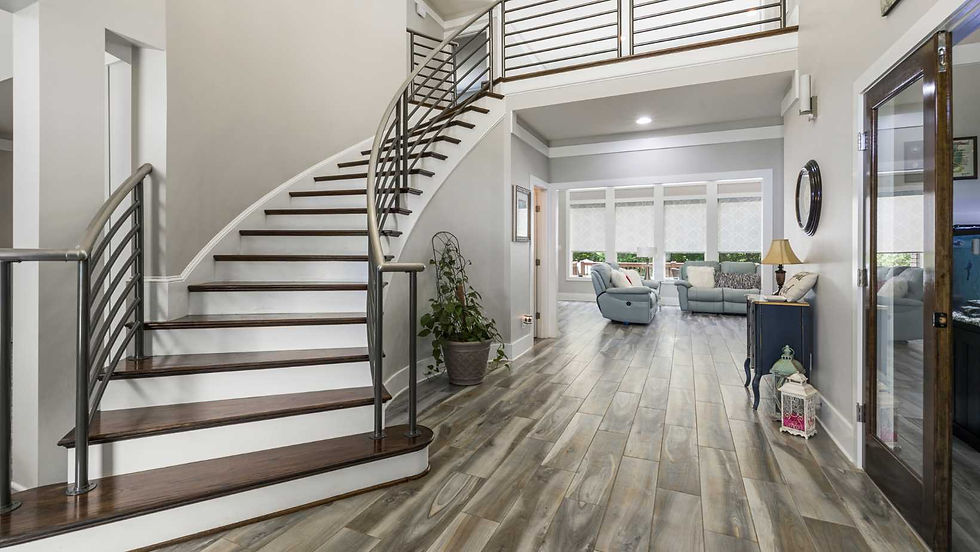
If you're planning to replace or install a stair railing in New Jersey, the first question is simple: how much is this actually going to cost?
The answer depends on a few key factors — materials, layout, labor, code requirements, and whether you're upgrading an existing railing or starting from scratch. In most New Jersey homes, indoor stair railing installation can range anywhere from a few thousand dollars for a straightforward replacement to significantly more for custom designs, mixed materials, or complex staircases.
This guide breaks down what really affects stair railing installation cost in NJ. We’ll walk through materials, labor, design upgrades, and the hidden factors homeowners often don’t see coming — so you can budget confidently and avoid surprises.
If you're comparing quotes or planning to hire a stair railing contractor, this will give you the clarity you need before scheduling your estimate.

Overview of Indoor Railing Costs
When New Jersey homeowners start planning an indoor railing upgrade, the first thing they want to understand is how materials affect overall cost. While layout and labor matter, the type of railing you choose plays a major role in both pricing and final appearance.
Wood Railings
Wood railings are a classic option that bring warmth and timeless character to a home. They work beautifully in traditional, colonial, and even transitional interiors throughout NJ. Wood also offers flexibility in design — from simple square balusters with a clean white finish to more detailed, turned spindles for a traditional look.
Most standard railings are built using readily available species like poplar, red oak, or pine. These woods are durable and cost-effective for most interior staircases. When homeowners move into premium species such as mahogany, cherry, cedar, or cypress, the material cost increases accordingly. The appeal of wood lies in its ability to be stained to highlight natural grain or painted for a crisp, updated feel.
Pricing insight: Traditional wood railings most often range from $20 – $60 per linear foot installed (higher for premium species and custom details).
For many NJ homes, wood remains one of the most practical and versatile choices for stair railing installation.

Metal and Wood Combination Railings
Metal and wood combination railings have become one of the most requested styles in New Jersey stair remodels.
By blending the strength of metal with the natural elegance of wood, this option creates a balanced look that feels both modern and timeless.
Typically, this design features a solid wood handrail and newel posts paired with metal balusters. Satin black metal bars are especially popular, and horizontal bar designs have gained traction for homeowners looking for a more contemporary feel. Stainless steel elements are also becoming more common in modern interior renovations.
Pricing insight: Metal and wood combination systems typically fall into a mid-range category at roughly $45 – $120 per linear foot installed, depending on materials and style.
The overall investment for this style depends on the type of wood selected and the metal design details, but it generally falls into a mid-range category. What makes this combination appealing is that it delivers durability, visual contrast, and long-term value without moving into highly custom systems.
Stainless Steel Railings
Stainless steel railings are a strong option for New Jersey homeowners who want a clean, contemporary look with long-term durability. With smooth lines and a minimalist feel, stainless systems pair especially well with modern renovations, open staircases, and homes with updated flooring and finishes.
One of the main advantages of stainless steel is its resistance to corrosion and wear, which makes it a low-maintenance choice over time. Unlike painted wood or powder-coated iron, stainless does not require refinishing and holds up well in humid environments — including coastal areas of New Jersey.
When the entire railing system — including posts and handrails — is fabricated from stainless steel, the project typically requires specialized fabrication and welding. Because of that, fully stainless systems often involve higher labor costs and are usually handled by contractors experienced in metal fabrication rather than standard stair railing installers.
Pricing insight: Stainless steel railing systems in New Jersey generally range from $120–$300+ per linear foot installed, depending on design complexity, hardware, and finish.
For many NJ stair remodels, a more common approach is combining a wood handrail with stainless steel balusters or horizontal bars. This hybrid style delivers a modern aesthetic while keeping the space warm and balanced — and can often be completed by a local stair railing installation company without full custom metal fabrication.

Cable Railings
Cable railings are a popular choice for homeowners who want a modern, open look without fully committing to glass.
The thin horizontal cables create clean lines while maintaining clear sightlines, making them especially appealing in open-concept homes, shore properties, and staircases with natural light.
Because cable systems feel lighter and less visually heavy than traditional balusters, they work well in contemporary renovations and transitional interiors. In many NJ homes, cable railings are paired with wood posts and a wood handrail to balance warmth with a modern edge. Fully metal-framed cable systems are also available for a more industrial aesthetic.
Proper installation is critical. Cable railings must be correctly tensioned and spaced to meet residential building standards. In New Jersey, residential stair railings must comply with state-adopted safety and structural standards. The New Jersey Department of Community Affairs building code requirements outline the current regulations for guards and handrails.
Pricing insight: Cable railing systems in New Jersey typically range from $75–$285 per linear foot installed, depending on whether the frame is wood or metal, the hardware selected, and the overall staircase layout.
Glass Railings
If your goal is to remove visual barriers entirely, glass railings are in a category of their own. Instead of balusters or bars, large glass panels create a seamless look that keeps staircases feeling bright and open. In homes with tall ceilings, large windows, or coastal light exposure, that transparency can dramatically change how a space feels.
Unlike traditional railing systems, glass installations rely on precision engineering. Panels are typically made from tempered or laminated safety glass designed to meet residential impact standards. Mounting methods vary — some systems use slim base shoes for a low-profile look, while others use visible clamps or standoff hardware for a more architectural style.
Because there’s no room for error in measurement, installation must be exact. Even slight inconsistencies in stair pitch or framing can affect how panels align. That’s why many fully glass systems are handled by contractors with experience in specialty fabrication rather than standard carpentry-only installs.
It’s also important to understand that residential guard and handrail systems must meet structural requirements outlined in the International Residential Code (IRC) for height and load resistance.
Pricing insight: Glass railing systems typically range from $150–$600 per linear foot installed, depending on panel thickness, mounting style, and whether the design is framed or frameless.
Wrought Iron Railings
Wrought iron railings bring character and craftsmanship to a staircase. Unlike simpler baluster systems, wrought iron is often chosen for its decorative detailing — scrollwork, twists, baskets, and custom patterns that add visual interest without overwhelming the space.
These railings work well in traditional homes, historic properties, and even transitional interiors where a touch of ornamentation complements wood flooring and classic trim. While durable and long-lasting, wrought iron requires finishing or powder coating to prevent wear over time.
Pricing insight: Wrought iron railing systems typically range from $50–$120 per linear foot installed, depending on design complexity and finish.
Wrought iron railings are often fabricated and welded by specialty metalwork companies rather than standard stair railing installers. While some contractors install iron balusters within wood systems, fully custom wrought iron panels or structural iron railings typically require fabrication, welding, and finishing by a dedicated metal shop. This added level of craftsmanship can influence both pricing and project timelines.
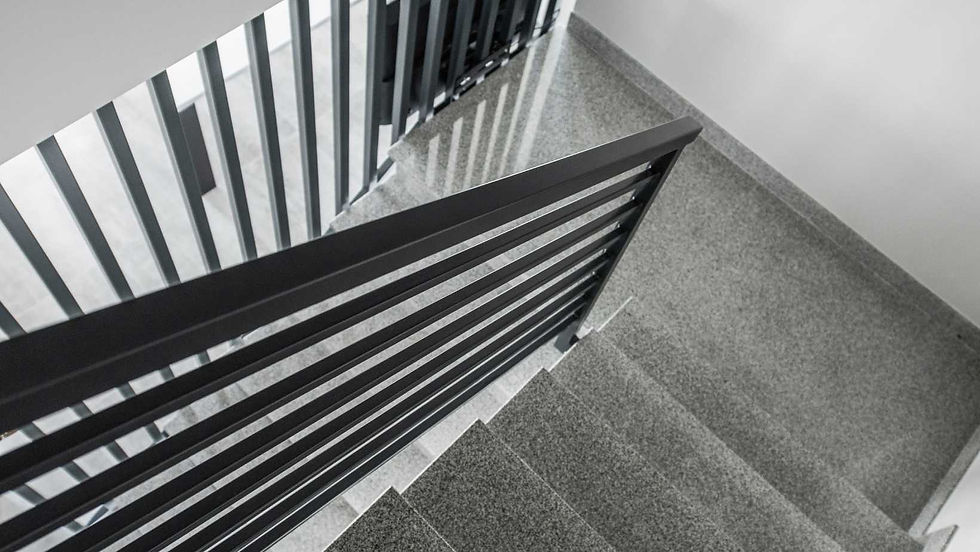
All-Metal Railings
All-metal railing systems are a different category entirely. These systems — often made from steel or structural metal — are fully fabricated and welded rather than assembled from wood posts and balusters.
This type of project usually requires a metal fabrication or welding company, as it involves custom measuring, shop fabrication, coating, and on-site installation. Not all stair railing installers offer this level of metalwork, and the fabrication process can influence both pricing and project timeline.
Pricing insight: Fully welded metal railing systems generally range from $120–$300+ per linear foot installed, depending on design, material thickness, and finishing requirements.
For most interior stair remodels in New Jersey homes, all-metal systems are less common than wood or wood-and-metal combinations, but they can be an option for modern industrial designs.
Railing Type | Installed Cost Range (per linear foot) |
Wood (All Wood System) | $25 – $65 |
Wood + Metal Balusters | $45 – $120 |
Wrought Iron | $50 – $120 |
Cable (Wood Frame) | $70 – $285 |
Stainless Steel | $120 – $300+ |
Full Metal (Welded/Steel)** | $120 – $300+ |
Glass Railings | $150 – $600 |
Stair Design and Railing Customization Impact on Cost
This is where pricing can shift quickly.
Two staircases might use the same materials, but the final cost can look completely different depending on design details and layout. Once you move beyond standard straight runs and basic balusters, you’re entering custom territory — and that’s where labor and craftsmanship start to matter more.
Custom Designs and Specialized Handrails:
Standard rail systems are built from readily available components. Custom railings are not.
If you’re choosing intricate iron patterns, decorative scrollwork, oversized box newels, or uniquely shaped handrails, you’re adding fabrication time and skilled labor. Even something as simple as a custom-stained handrail profile or a thicker modern T-rail requires additional shaping and finishing.
The more detail involved, the more hands-on time the project requires. That craftsmanship adds character — but it also adds cost.
In many New Jersey homes, especially older colonials or high-ceiling foyers, homeowners choose custom touches to match trim work or flooring. Those design decisions are often worth it visually, but they move the project beyond a standard install.
Impact of Staircase Shape and Size:
The shape of your staircase has a major influence on labor.
A straight staircase is the most straightforward to price and install. Once you introduce turns, landings, or open balcony sections, the installation becomes more involved.
Curved Staircases Curved stairs look incredible — but they’re one of the most labor-intensive railing installations. Railings must be custom bent or precisely shaped to follow the curve. Every angle has to align properly, and there’s very little room for error. This added fabrication and fitting time naturally increases overall cost.
Spiral Staircases Spiral staircases bring their own set of challenges. Tight radiuses, vertical turns, and limited access make installation more technical. Each post and rail section must be measured carefully to maintain safety and visual balance. Because of the precision involved, spiral railing systems often require more time and custom fitting than traditional layouts.

Custom Fittings: Custom fittings are the transition pieces that connect railing sections wherever a staircase changes direction. You’ll see them at landings, bends, and curves — they’re what allow the handrail to flow continuously as the stair turns.
On a straight staircase, standard fittings usually work without issue. But once a stair includes a sharp turn, an angled landing, or a sweeping curve, those off-the-shelf components often won’t align correctly. The railing has to match the exact pitch and angle of the stair, and that sometimes requires custom-made fittings.
In more complex layouts — especially curved or uniquely framed staircases — these fittings must be fabricated to precise measurements so the railing flows smoothly and meets code. That extra fabrication and installation time can increase both labor and material costs.
Additional Consideration: Stair Railing Staining and Finishing
One detail that often surprises homeowners is finishing.
Many railing installation companies handle the construction and installation of the system itself but do not include staining or painting in their scope of work. If you’re installing wood railings, the staining or painting step may require a separate visit from a professional finisher.
Matching an existing floor stain, trim color, or interior palette takes time and skill. Drying times between coats can also extend your project timeline. While finishing dramatically improves the final look, it does add both cost and coordination to the overall project.
If your railing includes custom profiles, intricate balusters, or detailed newel posts, finishing becomes even more labor-intensive. The more surface detail involved, the more time it takes to sand, stain, and seal properly.
Labor and Installation Expenses
Beyond materials and design, labor is one of the biggest factors in overall cost.
Professional railing installation isn’t just about appearance — it’s about structural stability and code compliance. Railings must be securely anchored, properly spaced, and aligned with the pitch of the staircase. In New Jersey, guard and handrail systems must meet residential safety standards for height and load resistance.
Labor rates for experienced railing installers typically range from $70–$150 per hour, depending on skill level and project complexity. The total number of hours required depends heavily on your staircase layout.
A straight staircase with standard components is typically more efficient to install. Once you introduce turns, curves, custom fittings, or specialty materials like glass or cable, installation time increases. More time means more labor — and that directly affects the final investment.
Extra Things to Think About
Before finalizing your indoor railing budget, there are a few practical factors worth considering.
Permit Requirements
In New Jersey, railing replacement doesn’t always require a permit — but it can, especially if it’s part of a larger renovation or structural change. Local municipalities may have different requirements, so it’s always smart to confirm before work begins. If a permit is needed, that adds both cost and a bit of lead time to the project.
Removal and Structural Repairs
If you’re replacing an existing railing, removal is part of the process — and sometimes that reveals surprises.
Older homes may have loose framing, damaged treads, or posts that were never properly anchored. Once the old railing comes off, those issues become visible. While many projects move forward without complication, it’s wise to build in a small contingency for unexpected repairs.
Final Thoughts on Indoor Railing Installation Cost in New Jersey
The cost of indoor railing installation ultimately comes down to a combination of material choice, staircase layout, customization, and labor.
Wood remains a versatile and timeless option. Metal and cable systems offer a more modern look. Glass provides a clean, high-end finish with unobstructed views. Each style carries its own aesthetic appeal — and its own investment range.
More intricate designs, curved stairs, and custom fittings naturally increase labor time and cost. Straightforward layouts with standard materials are typically more efficient.
The key is finding the right balance between design, safety, and budget — without compromising on proper installation.
Ready to Plan Your Stair Railing Project?
If you’re looking for a professional stair railing contractor in New Jersey, working with an experienced installer makes the process smoother from start to finish.
With over 20 years of experience, fully insured crews, and a focus on code-compliant installation, we help homeowners upgrade their staircases with confidence.
Whether you're replacing an outdated railing or planning a full stair remodel, we’re happy to provide a clear, detailed estimate tailored to your space. Reach out to us for a no obligation quote!
Disclaimer
Please note that all prices mentioned in this blog are estimates based on current industry trends and may vary. These are not definitive prices. For the most accurate and personalized quote for your railing project, we encourage you to contact a professional railing installation company directly. Their team of experts will be ready to provide you with the necessary advice and a customized solution tailored to your home's specific needs.


Comments